Hey, you know, as the energy conversion world keEPS evolving so quickly, there's a big surge in demand for high-qualityPower Frequency Converters. Basically, industry reports are saying the global market for these could hit around USD 20 billion by 2025. That makes sense, right? With more folks turning to renewable energy, we really need smarter, more efficient ways to manage all that power.
China, in particular, has become a real hub for top manufacturers focusing on custom Power Frequency Converters. These factories use cutting-edge tech to make sure their products meet pretty tough quality standards. Companies like JZHC and Delta Electronics are pretty much leading the pack—they make units that boost industrial performance all over the place. But, of course, there are still some hurdles. Adapting these converters to suit different sectors' needs isn’t always a walk in the park.
And, while innovation is happening fast, not all manufacturers are consistent when it comes to product quality. Regular checks and sticking to international standards are crucial in keeping things reliable. As demand keeps climbing, choosing suppliers who truly value quality and performance becomes even more important. Only then can we make sure our modern energy systems keep up with what’s needed today and tomorrow.
Overview of Power Frequency Converters in China
Power frequency converters play a crucial role in various industrial sectors in China. They convert electrical energy from one frequency to another, ensuring that machinery operates efficiently. In recent years, the demand for high-quality custom power frequency converters has increased significantly. This growth is driven by the expansion of renewable energy sources and the need for more efficient power solutions.
When selecting a power frequency converter, consider the specifications required for your application. Different industries may require different voltages and output frequencies. Additionally, working closely with manufacturers can ensure that your needs are met. It’s worth noting that a poorly chosen converter can lead to operational inefficiencies and increased costs.
Tips: Always request detailed performance data from potential suppliers. Understanding the operational limits of converters can prevent expensive mistakes. Keep in mind that some custom solutions may take longer to develop.
Investing in a reliable power frequency converter can improve system performance. Yet, be cautious about overspecifying features. More isn’t always better. Sometimes, simplicity leads to greater reliability. Reviewing past projects can provide insights into what works and what doesn’t in your specific context.
Key Features of High-Quality Custom Power Frequency Converters
High-quality custom power frequency converters are essential in various industrial applications. These converters have unique features that enhance performance and reliability. They can be tailored based on specific requirements, ensuring optimal power management across different scenarios.
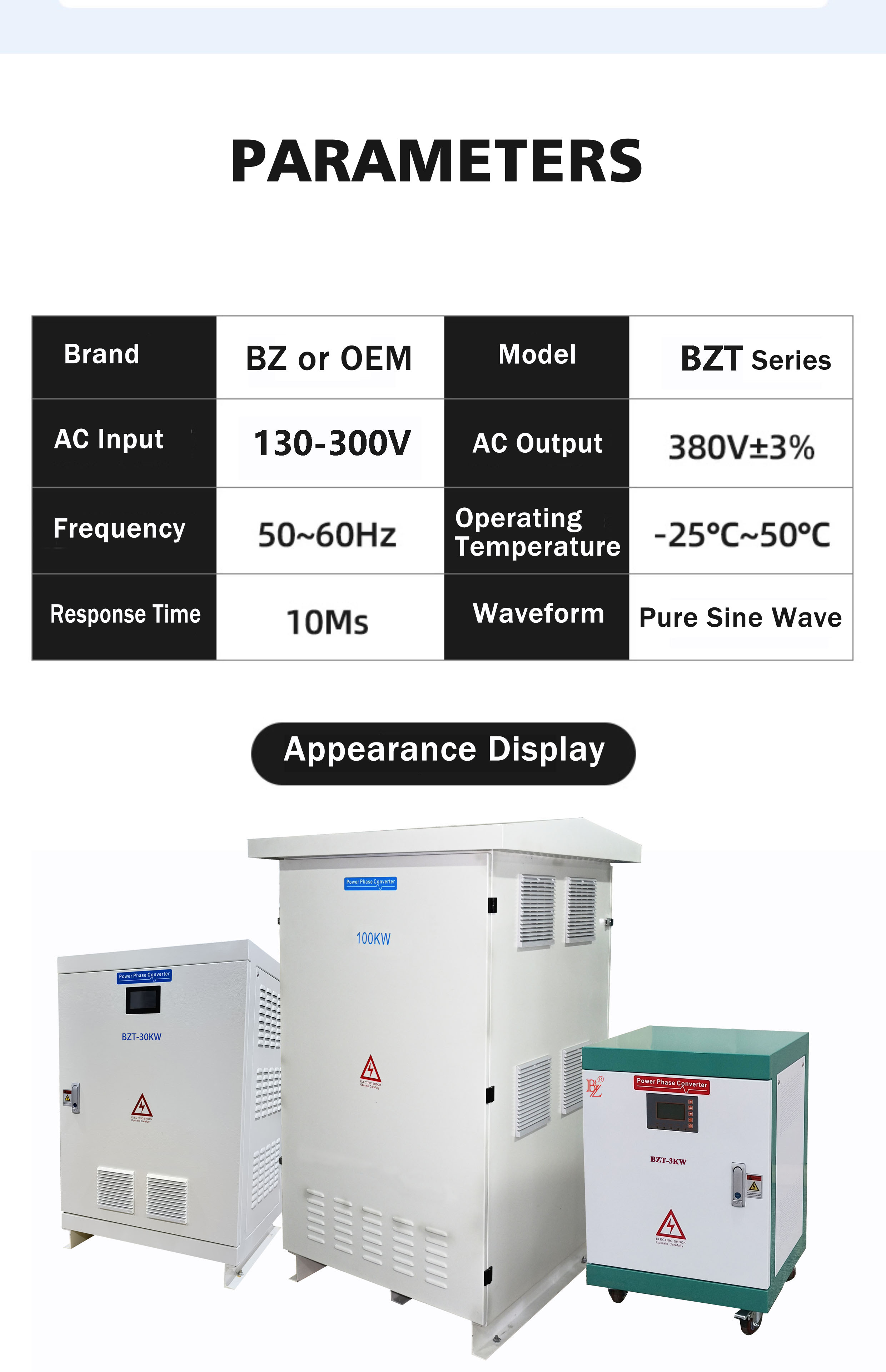
Many industry reports indicate that efficiency is a primary concern. Custom power frequency converters achieve efficiencies of over 95%, reducing energy losses significantly. Added features, such as digital controls, enable precise adjustments. This allows users to adapt to changing load demands seamlessly. Additionally, advanced models like the Touchscreen Digital Variable Frequency Ultra-Low Frequency Generator offer an intuitive interface, simplifying operations.
However, not all converters are created equal. Some may lack necessary safety protocols or fail to meet environmental standards. Businesses must carefully vet suppliers to ensure compliance and quality assurance. This process may require extra time and resources, but it ultimately pays off in operational reliability and long-term savings. Choosing the right converter can directly impact operational efficiency and sustainability.
China Top High-Quality Custom Power Frequency Converter Factory Overview
| Feature | Description | Value |
| Input Voltage Range | Supported input voltage levels | 100V - 1000V |
| Output Frequency Range | Adjustable output frequency for various applications | 45Hz - 65Hz |
| Efficiency | Conversion efficiency rating | > 95% |
| Cooling Method | Cooling system used to prevent overheating | Air-Cooled / Liquid-Cooled |
| Control Method | Type of control system integrated | Digital Control / PID Control |
| Protection Features | Safety features to protect against overload, short circuit, etc. | Overload, Overvoltage, Short Circuit protection |
| Customization Options | Available options for client-specific requirements | Size, Output Power, Frequency Settings |
Major Manufacturers of Power Frequency Converters in China
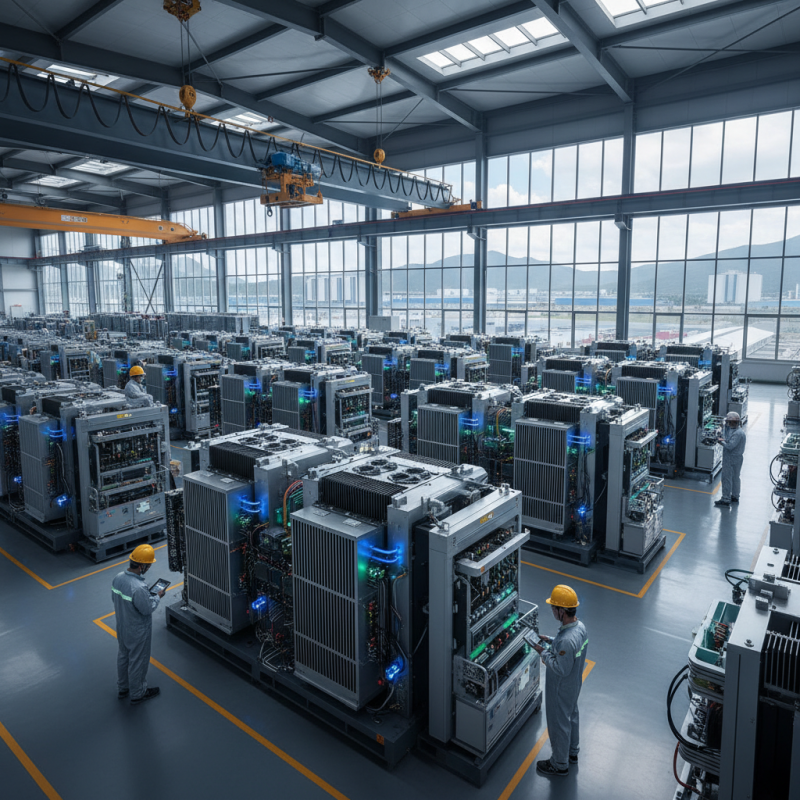
China's landscape of power frequency converter manufacturing is vibrant and diverse. Major manufacturers flock to this sector, showcasing remarkable capabilities. Many facilities possess advanced technology and a skilled workforce. They strive to produce high-quality frequency converters tailored to various industrial needs. The emphasis lies on innovation and reliability.
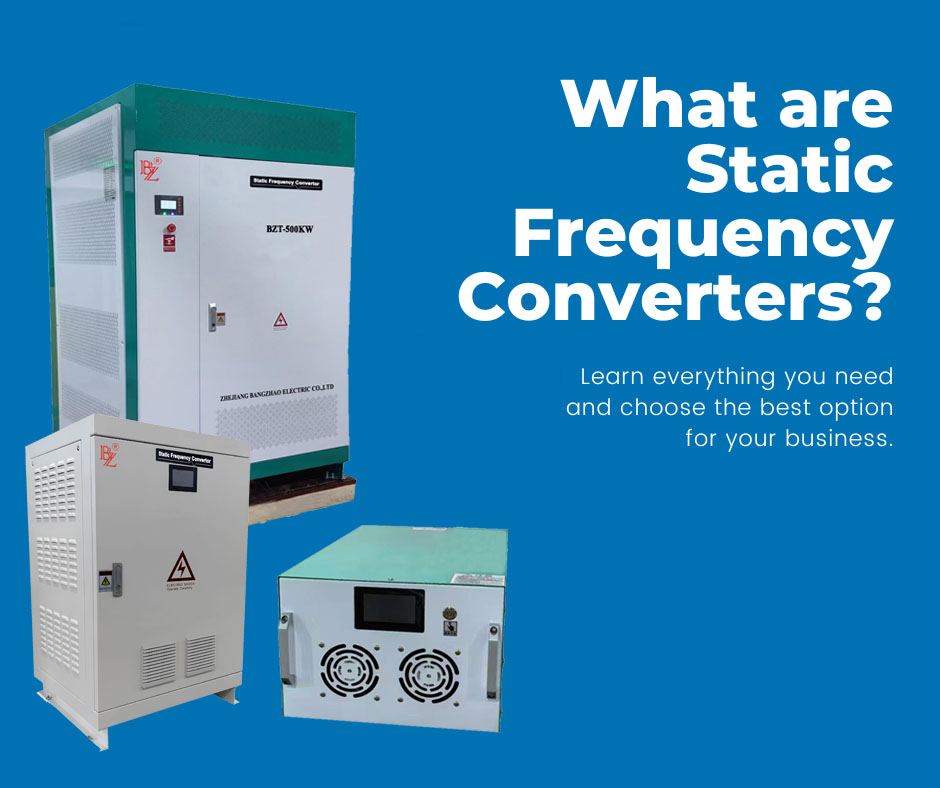
The production of Static Frequency Converters is a focal point. These devices are integral in numerous applications, providing stable power supply with optimal efficiency. Various manufacturers engage in continuous improvement practices. They often face challenges in meeting strict quality standards and adapting to market demands. Balancing cost reduction without compromising performance is a critical struggle.
Some factories employ cutting-edge automation, yet others lag behind. This inconsistency can lead to varying product quality. Some manufacturers excel, while others have room for growth. The commitment to quality and innovation is evident but varies among players. Market dynamics drive companies to rethink their strategies continually.
Power Frequency Converters Production Capacity in China (2023)
Technological Innovations in Power Frequency Converter Design
In recent years, the design of power frequency converters has advanced significantly. Utilizing cutting-edge technology, engineers are now creating more efficient systems. These innovations lead to reduced energy losses and longer product lifespans. A notable trend is the use of advanced materials that enhance performance under varied environmental conditions.
The shift towards digital control systems has revolutionized converter design. These systems offer precise control and monitoring, which improves overall reliability. Additionally, innovations like programmable logic controllers (PLCs) have simplified integration with other systems. However, it's crucial to recognize that not all designs will suit every application. Each project presents unique challenges that require tailored solutions.
Tips: When selecting a power frequency converter, consider efficiency ratings carefully. Not every converter is equal in performance. Evaluate the specific needs of your application before making a choice. It's also wise to stay updated with the latest technological trends and innovations, as they can significantly impact your decision.
Applications of Power Frequency Converters Across Industries
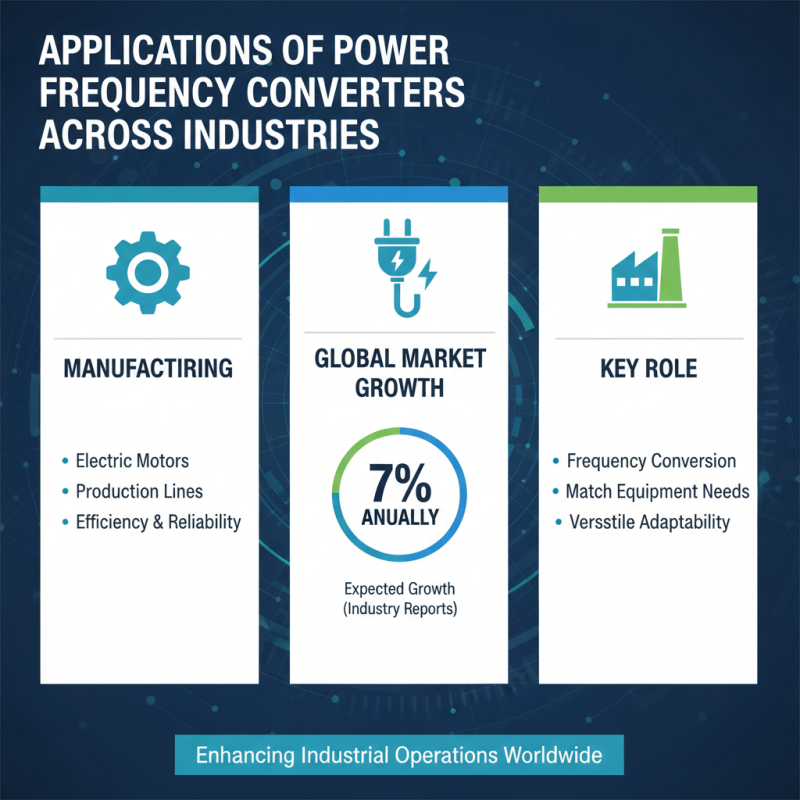
Power frequency converters play a crucial role across various industries. They facilitate the conversion of power frequency to match specific equipment requirements. For example, in manufacturing, these converters support electric motor operation. They enhance efficiency and reliability in production lines. According to industry reports, the global Power Converter market is expected to grow by 7% annually.
In renewable energy sectors, power frequency converters help in connecting wind and solar power systems to the grid. They ensure energy flow consistency and stability. A report by the International Energy Agency revealed that renewables contributed to 29% of global electricity generation in 2020. This trend underscores the necessity for high-quality converters.
Despite their importance, challenges remain. High initial costs and integration difficulties can deter some companies. Additionally, maintaining these systems requires skilled technicians. The growing demand for energy-efficient solutions poses another challenge. Companies must continuously innovate to improve converter technology. The interplay of these factors shapes the landscape of the power frequency converter market today.
Quality Standards and Certifications for Power Frequency Converters
Quality is paramount in manufacturing power frequency converters. High-quality converters must meet rigorous standards to ensure safety and reliability. Various international certifications play a crucial role in this evaluation. Organizations focus on performance, efficiency, and durability when assessing converters.
Industry experts recommend adhering to ISO standards for manufacturing. These standards ensure that products undergo consistent testing and quality checks. A factory’s compliance with these standards reflects their commitment to excellence. However, not all factories maintain a strong adherence. This inconsistency can lead to unreliable products entering the market.
Static Frequency Converters are essential for maintaining consistent power supply in various applications. They convert power frequency, enhancing compatibility across different systems. Yet, customers often face challenges in distinguishing high-quality converters. This obstacle underscores the importance of thorough research and understanding certification labels. Buyers must evaluate the testing processes and verify the certifications of converters. The journey to finding reliable products can feel daunting but is necessary for ensuring operational efficiency.
Market Trends and Future Outlook for China's Power Converter Industry
The power converter industry in China is experiencing significant growth. This sector primarily focuses on Frequency And Voltage Converters. These devices are crucial for managing energy efficiency in various applications. As technology advances, the demand for high-quality converters continues to rise. The industry is set to adapt to changing market needs.
Recent trends highlight a shift toward more sustainable solutions. Manufacturers are enhancing their products to improve energy-saving capabilities. This evolution often leads to increased production costs, which are reflected in product pricing. Companies must balance quality and affordability to remain competitive. Some newcomers in the market lack experience, leading to concerns about product reliability.
Tip: Always research the manufacturer’s credentials. Choosing well-known factories can minimize risks. The future outlook looks bright, yet growth comes with challenges. Understanding specific use casesis critical. This enables clients to make informed decisions about frequency and Voltage Converter applications.
Conclusion
China has become a significant player in the global market for Power Frequency Converters, driven by advancements in technology and a growing industrial base. High-quality custom Power Frequency Converters are characterized by their robust performance, efficiency, and adaptability to various applications across sectors such as telecommunications, manufacturing, and renewable energy. Major manufacturers in the region are focusing on innovative designs that enhance reliability and energy conservation while adhering to strict quality standards and certifications.
The industry is experiencing dynamic market trends, with an increasing demand for custom solutions tailored to specific industrial needs. This is coupled with a promising future outlook fueled by continuous technological innovations, ensuring that China's Power Frequency Converter sector remains competitive on the international stage. As industries increasingly recognize the importance of efficient power management, the role of Power Frequency Converters is becoming even more critical, signaling a vibrant future for this market.