

News
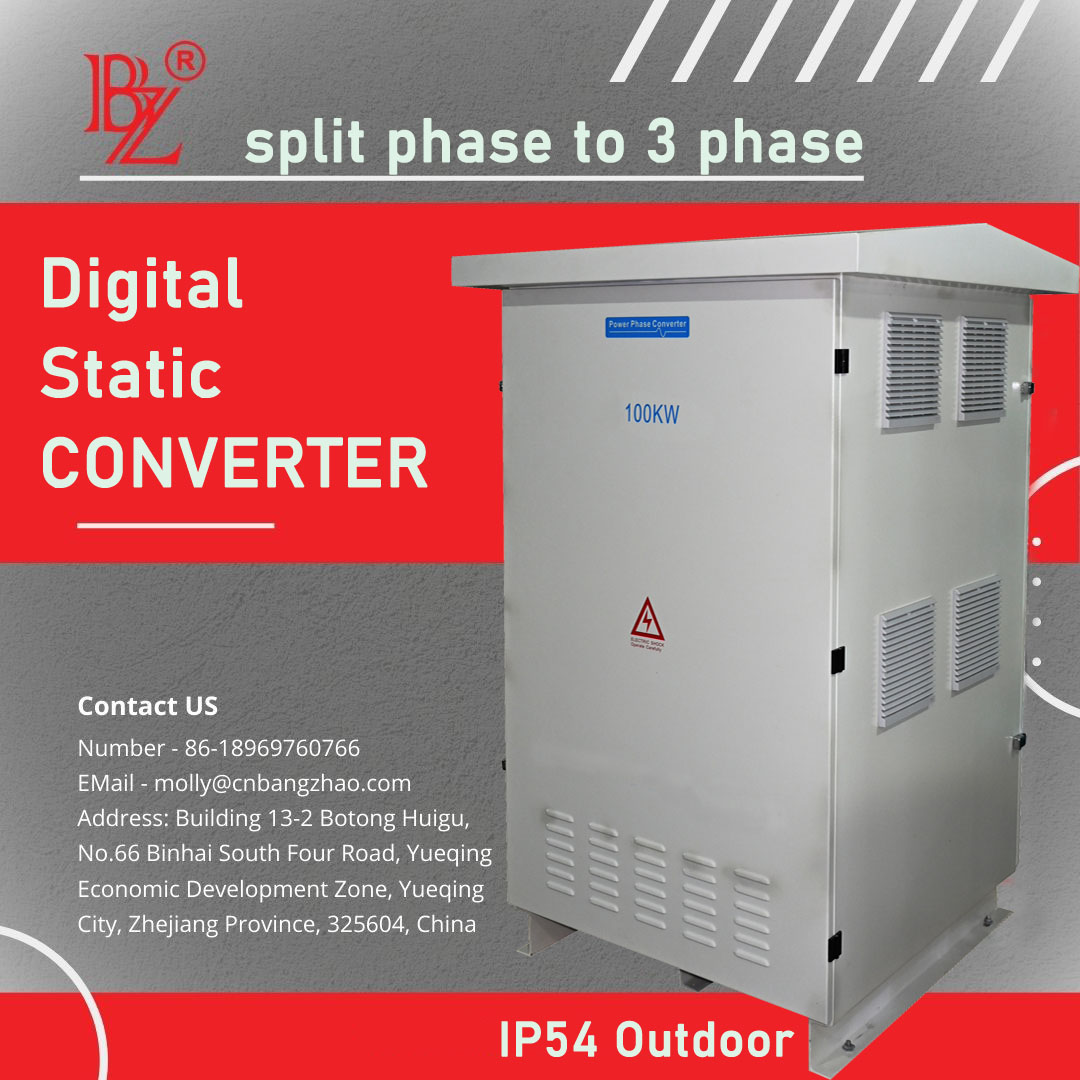
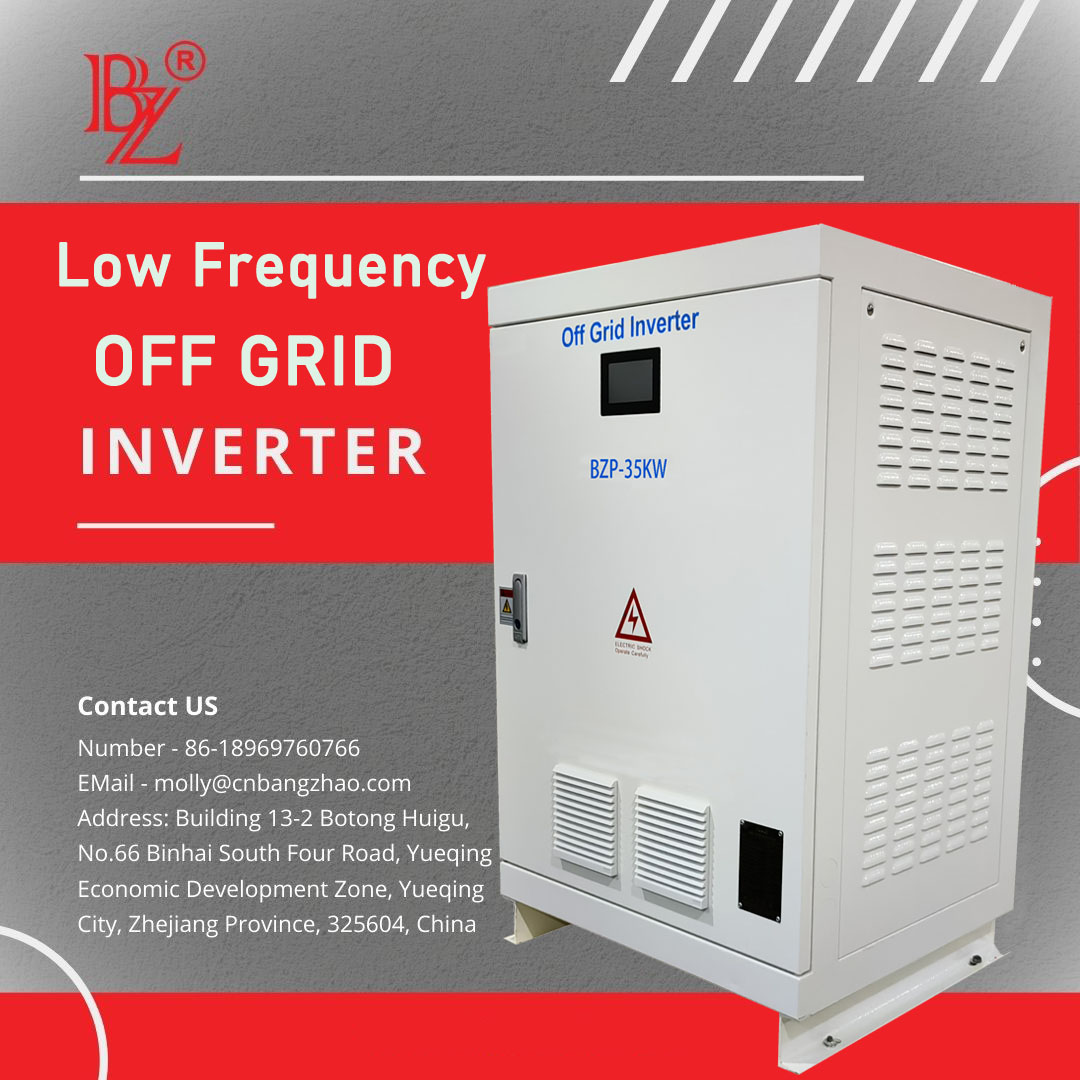
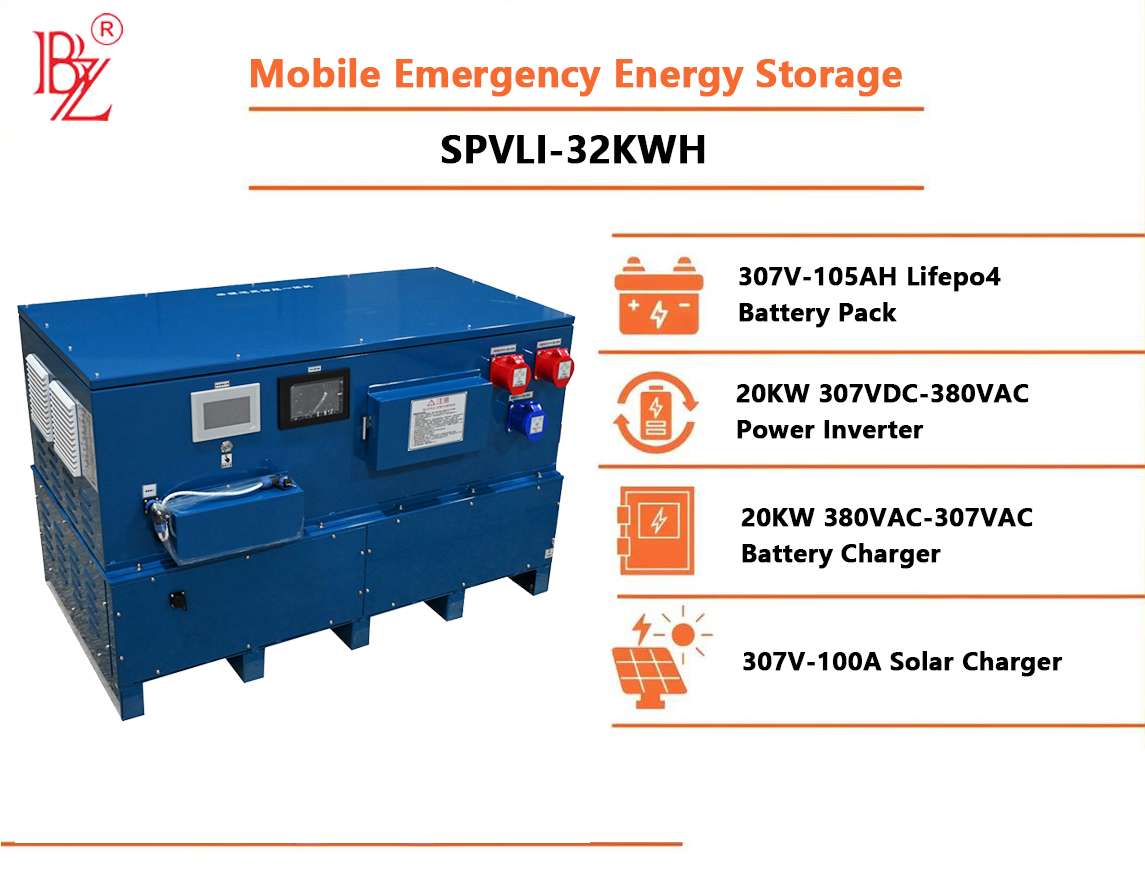
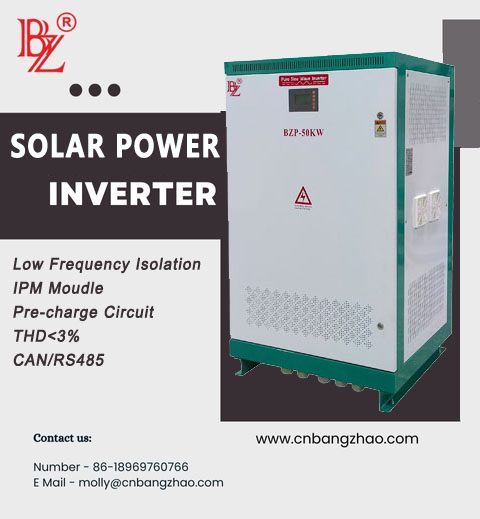
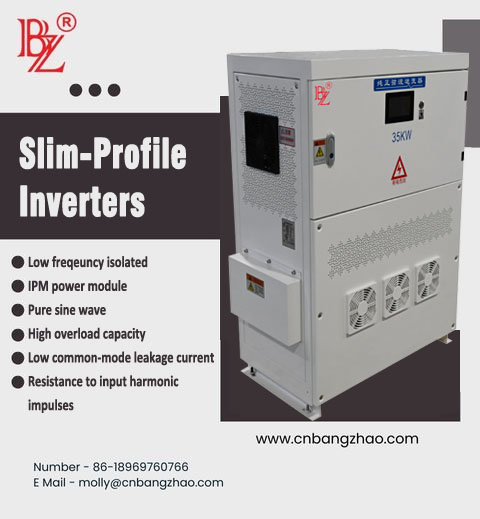
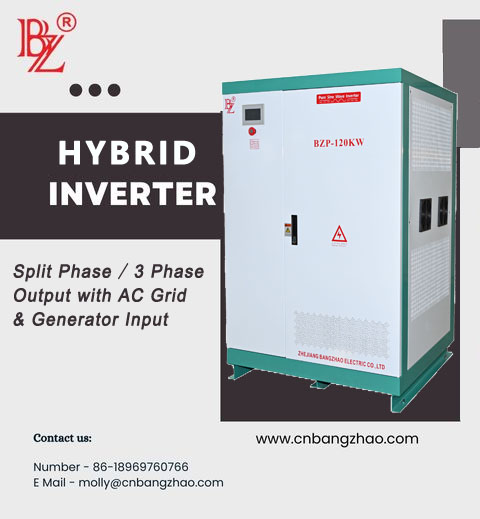
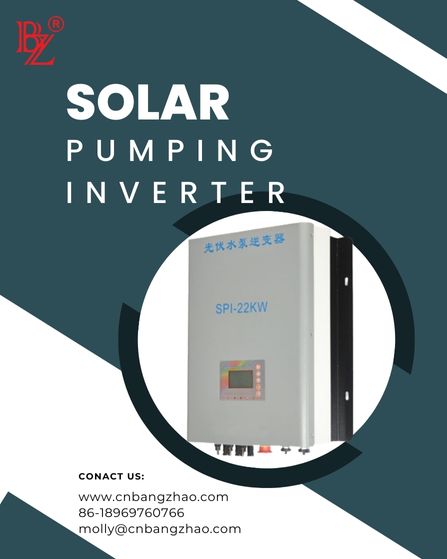
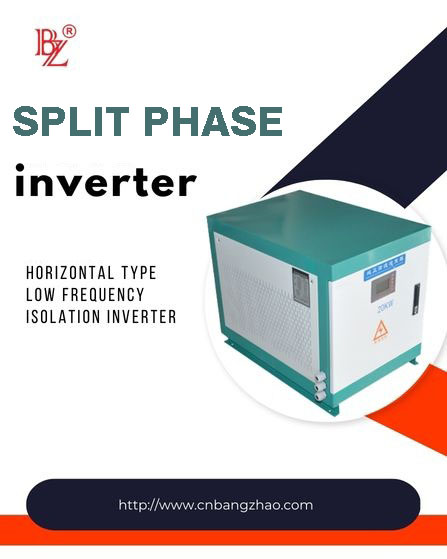
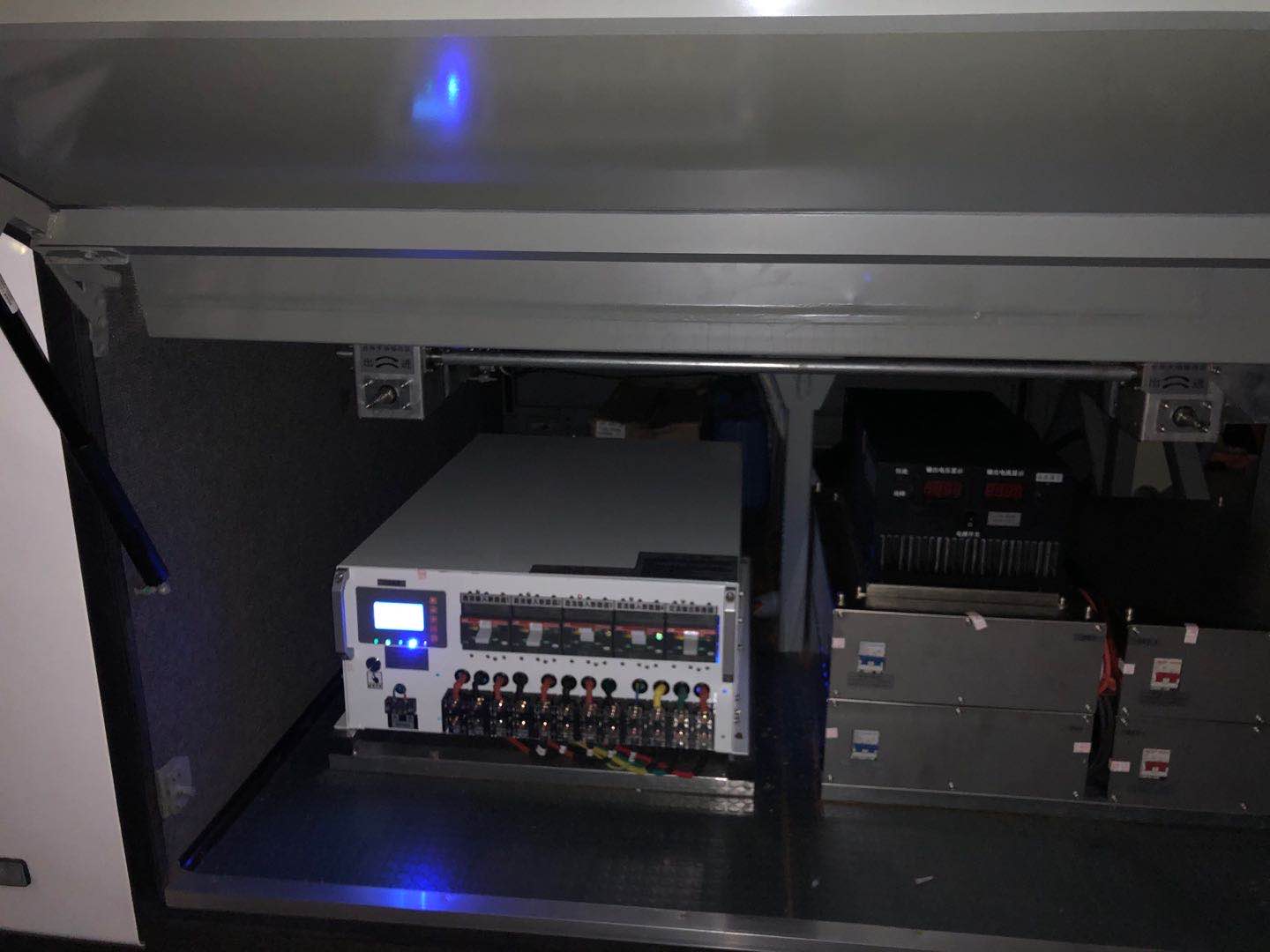
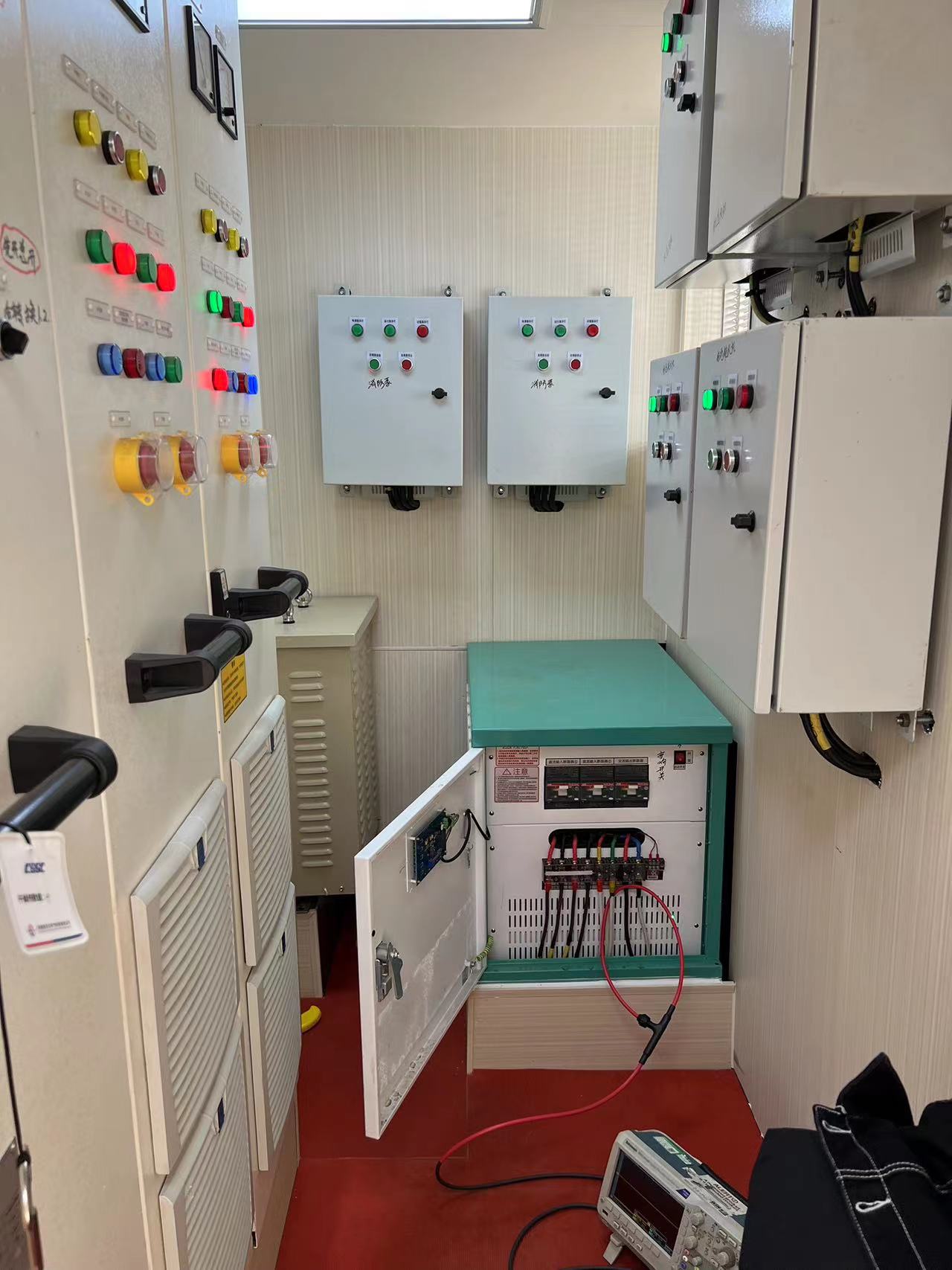
Shipboard inverters with CCS classification society certification
Safe and reliable: Withstands multiple protection tests including short-circuit, overload, and over-temperature conditions, adapting to harsh maritime environments such as vessel pitching and humidity.
High Efficiency and Stability: Employing pure sine wave output technology with low waveform distortion, it delivers stable power for precision equipment such as navigation, communication, and medical systems.
Compliance and Market Access: The international shipping market widely requires equipment to hold CCS certification, facilitating smooth ship inspections and enhancing market competitiveness.
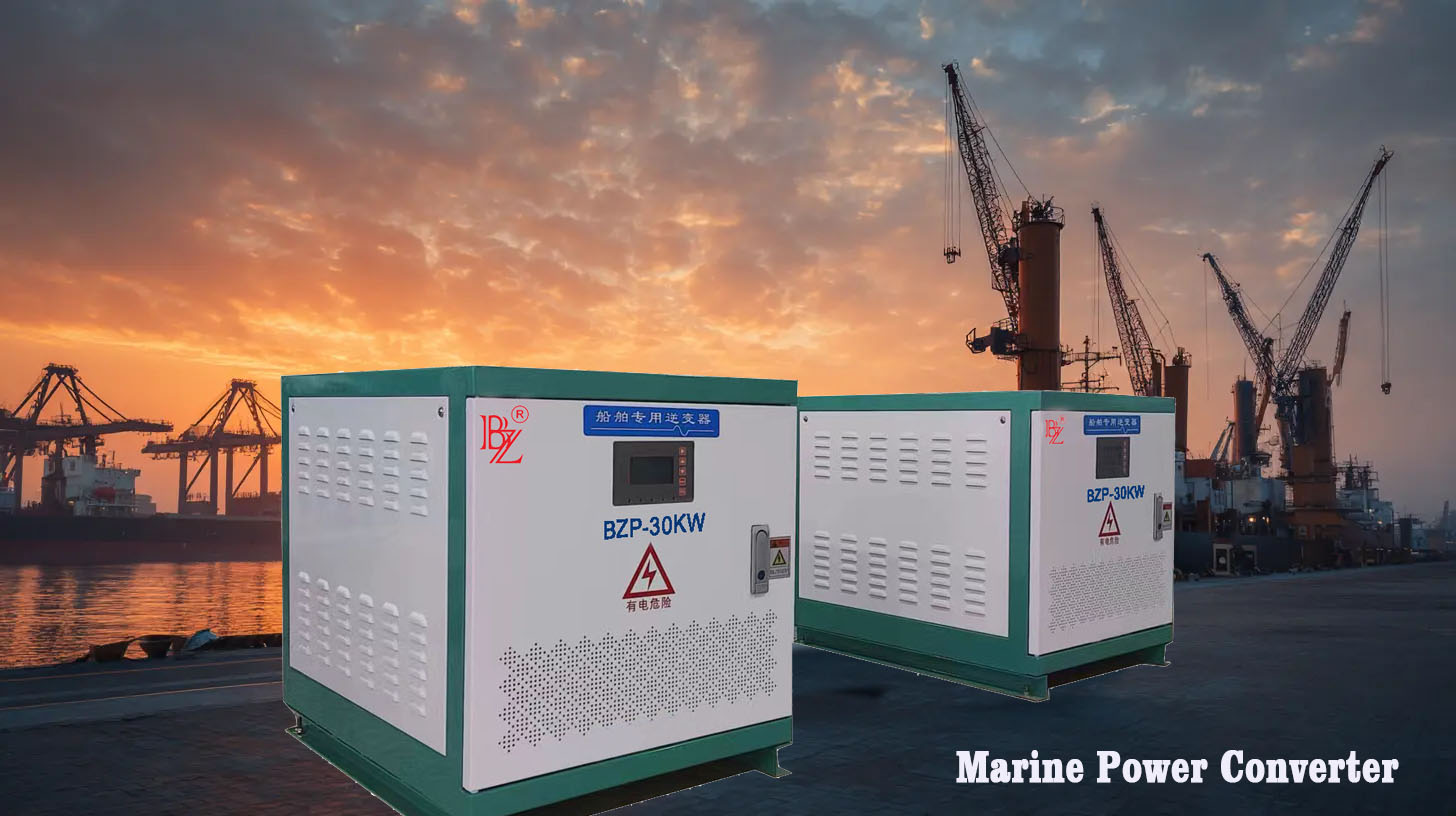
For instance, Bangzhao Electric's CCS-certified marine inverters support customisable power ratings (3-50kW), achieve conversion efficiencies up to 93%, and incorporate features such as mains frequency isolation and intelligent monitoring. Widely deployed in ocean-going cargo vessels, research ships, and medical vehicle applications, they represent an optimal solution for marine power systems.
1. Efficient power conversion, reducing energy consumption
High conversion efficiency:Modern Marine Inverters employ power electronics technology (such as IPM intelligent modules), achieving conversion efficiencies exceeding 93%. This significantly minimises energy loss, lowering fuel consumption and operational costs.
Energy-saving mode: Certain inverters support dynamic power regulation, automatically adjusting output power according to load requirements to prevent energy wastage.
2. Stable and Reliable Power Supply
Voltage/Frequency Stability: Inverters deliver stable AC output (e.g., 220V/50Hz or 110V/60Hz), preventing voltage fluctuations caused by generator variations or sudden load changes, thereby safeguarding equipment from damage.
Strong Interference Resistance: Through filtering circuits and shielding design, electromagnetic interference (EMI) is effectively suppressed, ensuring normal operation of sensitive equipment (e.g., radar, communication systems).
Overload/Short-Circuit Protection: Built-in protection functions (e.g., overcurrent, overvoltage, undervoltage, short-circuit protection) prevent equipment damage or fire hazards.
3. Flexible Adaptation to Diverse Loads
Multi-voltage/frequency output: Supports grid standards across different countries and regions (e.g., 50Hz/60Hz), meeting international navigation requirements.
Pure sine wave output: High-quality inverters deliver pure sine waves approximating mains power, compatible with all AC equipment (including inductive loads like motors and compressors), preventing harmonic interference.
Multi-interface design: Offers multiple output interfaces (e.g., sockets, hard-wiring terminals) for convenient connection to diverse equipment.
4. Lightweight and Modular Design
Compact size and low weight: Compared to traditional generator sets, inverters feature a compact structure, saving onboard space and proving particularly suitable for small vessels or weight-sensitive applications (e.g., yachts, unmanned vessels).
Modular expansion: Supports parallel or series operation, enabling flexible capacity scaling to accommodate upgrades in vessel power systems.
5. Environmental Sustainability and Low-Noise Operation
Zero emissions: The inverter itself produces no combustion emissions.
Silent operation: Absence of mechanical moving parts (e.g., engines, generators) ensures extremely low operational noise, enhancing crew comfort.